




Blockchain technology has emerged as one of the most transformative innovations of the 21st century, fundamentally changing how data is stored, shared, and secured. At its core, it is a decentralized, distributed ledger that records transactions across many computers so that the record cannot be altered retroactively without the alteration of all subsequent blocks. This ensures a high level of security and transparency, making it the foundational pillar for cryptocurrency, decentralized finance (DeFi), and the future of the decentralized web, often referred to as Web3.
What is Blockchain Technology?
To understand this system, one must view it as a digital chain of chronological data. Unlike traditional databases managed by a central authority (like a bank or government), this ledger is maintained by a global network of participants. This peer-to-peer architecture eliminates the “single point of failure,” ensuring that the data remains resilient against hacks and unauthorized tampering. The concept was first introduced in the 2008 Bitcoin Whitepaper by Satoshi Nakamoto, which revolutionized the “Internet of Value.”
Core Components of Blockchain Architecture
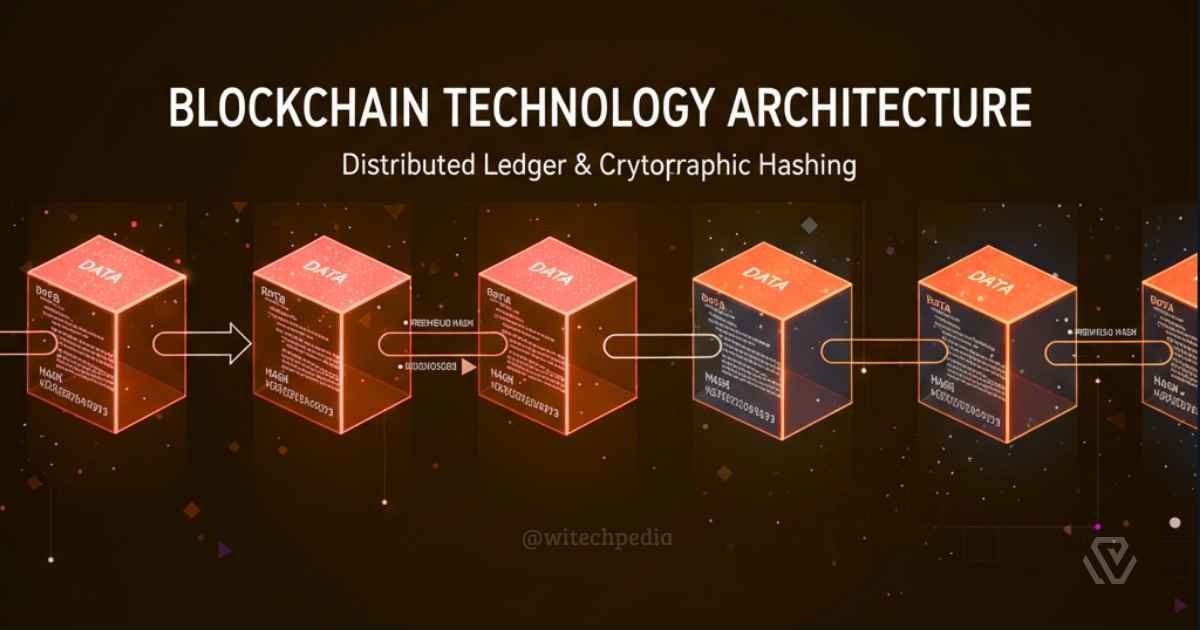
To grasp how blockchain maintains its integrity, we must look at the three primary elements that make up every link in the chain:
- The Block: Each block contains a list of valid transactions. It also includes a “timestamp,” proving when the data was recorded.
- The Hash: Think of this as a digital fingerprint. It is a unique code generated by a cryptographic algorithm. If even a single character within the block changes, the hash changes entirely.
- The Previous Hash: This is the “link” in the chain. Each block contains the hash of the block before it, creating a mathematical bond that makes the history of the ledger immutable.
How the Distributed Ledger Works
The process of adding a new transaction to the ledger involves several steps designed to ensure security without a middleman:
Key Types of Blockchain Networks
Depending on the use case—whether for public financial systems or private corporate data—networks are categorized into four types:
- Public Blockchains: Completely open and decentralized. Anyone can join the network and see the ledger. Examples include Bitcoin and Ethereum.
- Private Blockchains: Permissioned networks where a single organization controls who can participate. These are often used in Cybersecurity for internal data management.
- Consortium Blockchains: Managed by a group of organizations rather than a single entity, providing a balance between transparency and privacy.
- Hybrid Blockchains: A mix of both private and public features, allowing organizations to keep certain data private while sub-setting other data for public verification.
Real-World Applications of Blockchain
While it started with Bitcoin, the utility of this technology now spans across every major industry:
Frequently Asked Questions (FAQ)
What is the difference between Blockchain and a traditional database?
While a traditional database is typically managed by a central authority in a client-server architecture, a blockchain is decentralized and managed by a distributed network of nodes. In a traditional database, data can be altered or deleted by the administrator, but blockchain data is immutable, meaning once it is recorded, it cannot be changed without the network’s consensus.
Is blockchain only used for Bitcoin and cryptocurrency?
No. While Bitcoin was the first major application of blockchain, the technology is now used across various sectors including supply chain tracking, secure healthcare record keeping, and digital identity management. It serves as a foundational infrastructure for any industry requiring transparent and tamper-proof data.
What are Smart Contracts, and why are they important?
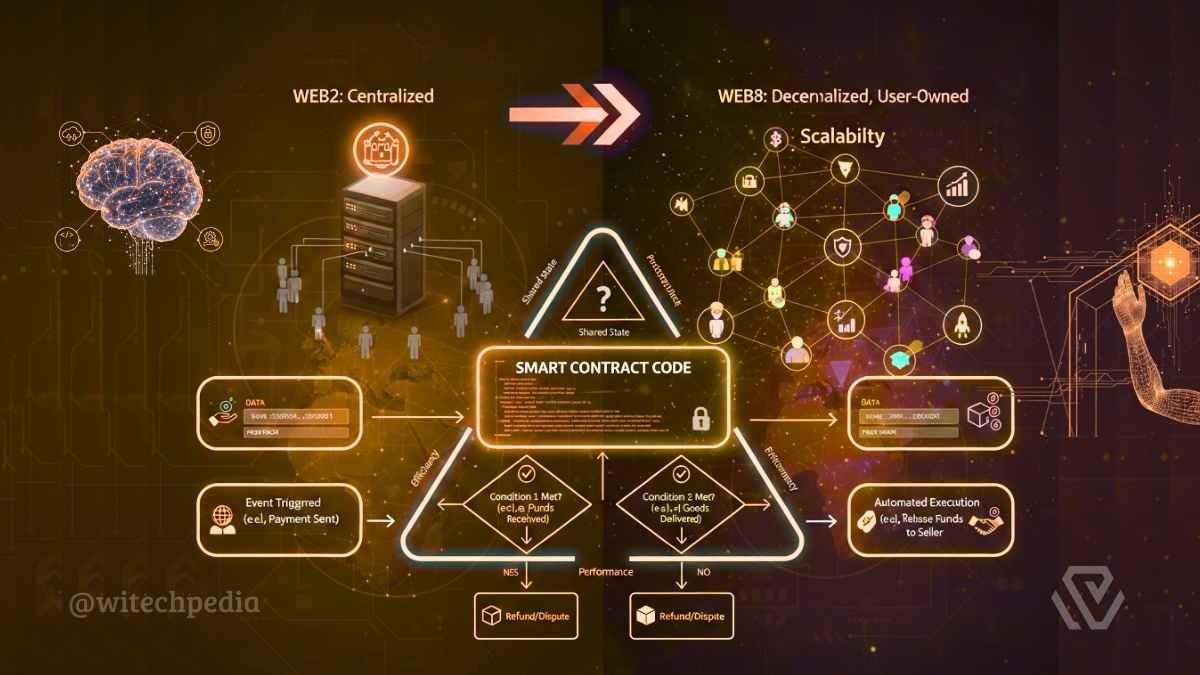
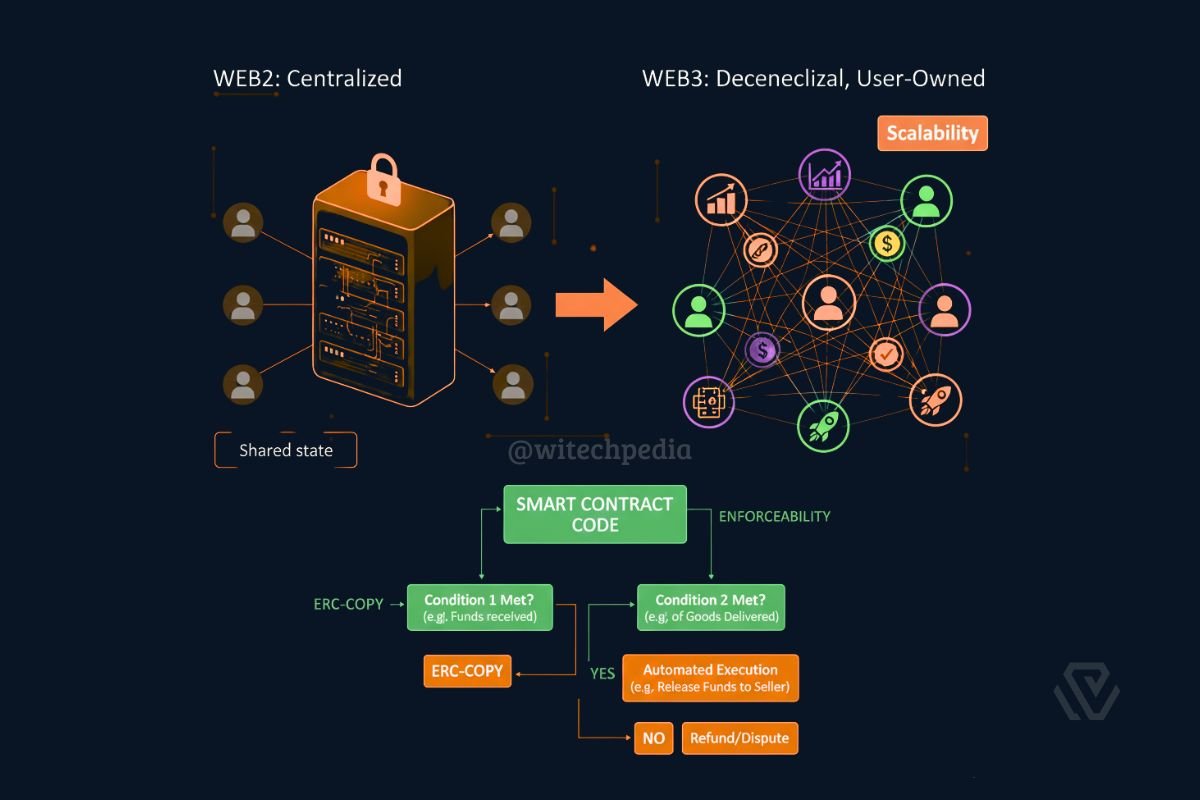
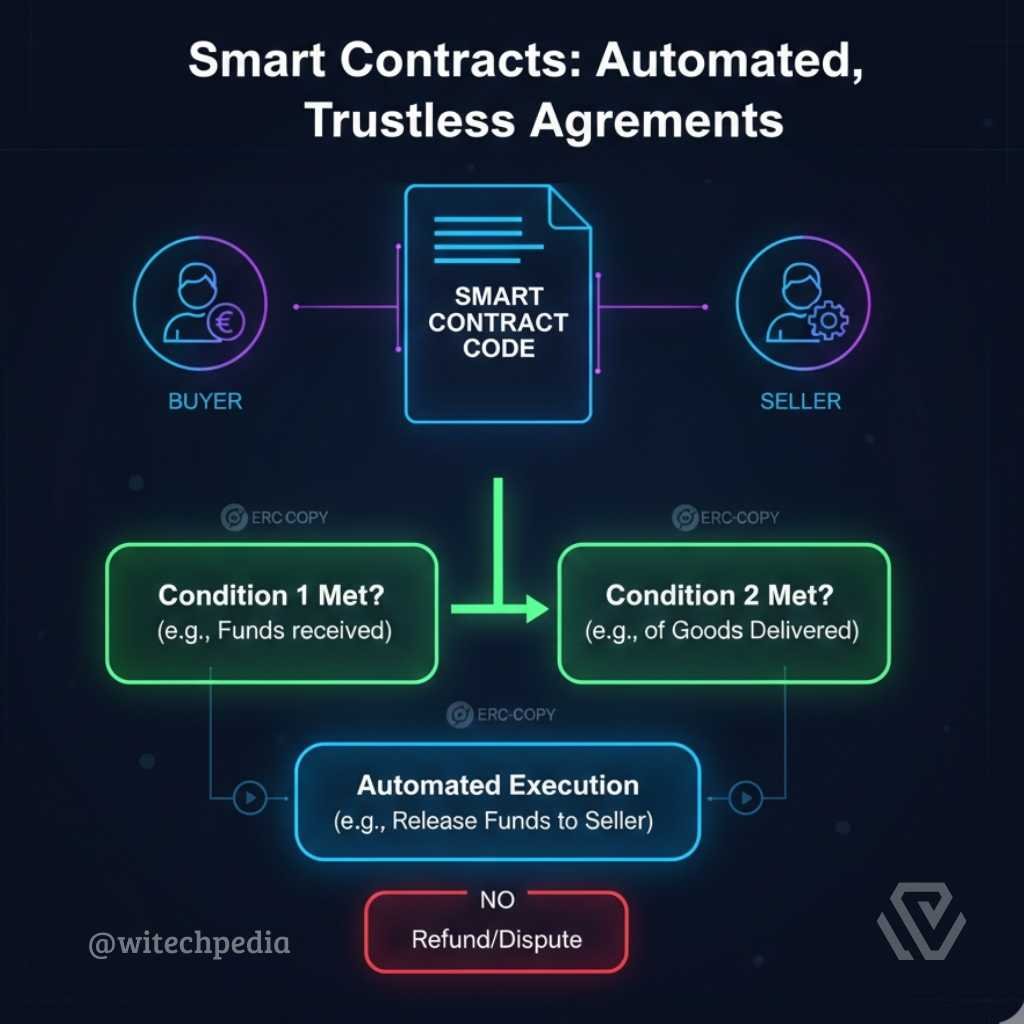
Smart contracts are digital agreements embedded in code that execute automatically once specific, pre-defined conditions are met. They are crucial because they allow for secure, automated transactions between parties without the need for intermediaries like lawyers or banks.
What is a “Consensus Mechanism” in a blockchain?
A consensus mechanism is a protocol that ensures all participants (nodes) in the network agree on the current state of the ledger. The most common types are Proof of Work (PoW), which requires computational puzzles to validate blocks, and Proof of Stake (PoS), which selects validators based on the number of tokens they “stake” or lock up.
Can a blockchain be hacked or altered?
Blockchain is designed to be highly resistant to tampering through cryptographic hashing and decentralization. However, some networks may be vulnerable to a 51% attack, where a single entity gains control of more than half of the network’s processing power. For major networks like Bitcoin or Ethereum, the cost and effort required to perform such an attack are considered prohibitive.
The Future: Scalability and Web3
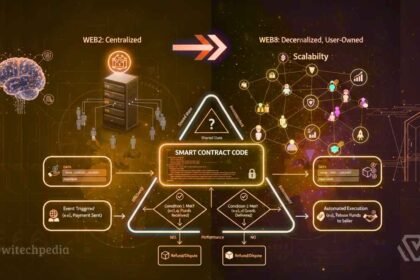
As we move toward 2026, the focus has shifted toward solving the “Blockchain Trilemma”—the challenge of balancing security, decentralization, and scalability. Innovations like Layer 2 scaling and AI-driven protocols are making transactions faster and cheaper.
The integration of blockchain technology into our daily digital lives is no longer a question of “if,” but “how fast”. By removing intermediaries and returning power to the users, it remains the most significant shift in data architecture since the inception of the internet. For global policy perspectives, organizations like the World Economic Forum continue to track governance and impact.